What Makes a Commercial Toilet Different From a Residential Toilet?
Toilets come in all shapes, sizes, and specifications. To choose the right option, it’s essential to understand the nature of your project, your customer’s needs, and the environment where the toilet will be installed.
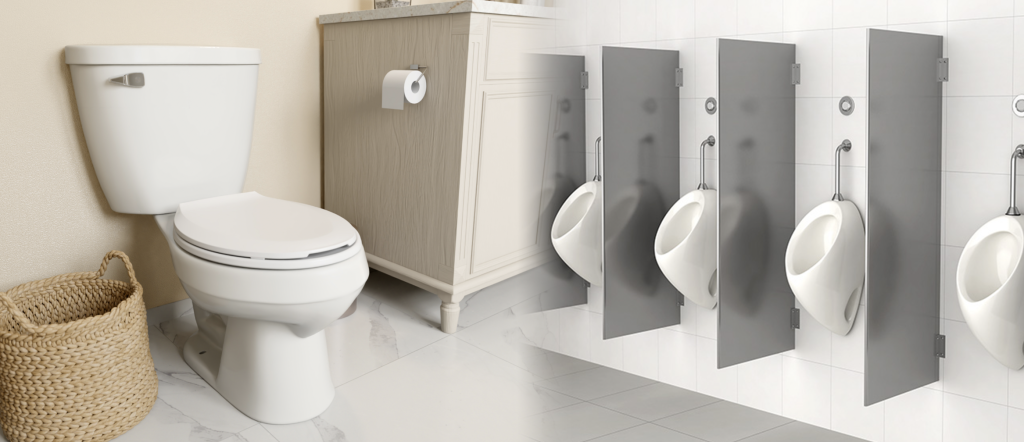
When selecting a toilet, it’s important to recognize that there are two main categories: commercial toilets and residential toilets. Because commercial toilets are designed to handle significantly higher usage throughout the day, they require a more powerful flushing system, durable materials, and consistent high-performance operation.
The primary difference between commercial toilets and residential models lies in their flushing capacity and performance requirements. Commercial toilets must be engineered to handle significantly higher daily volume, which directly affects their flushing power, system design, and overall durability.
1. The tank of the commercial toilet
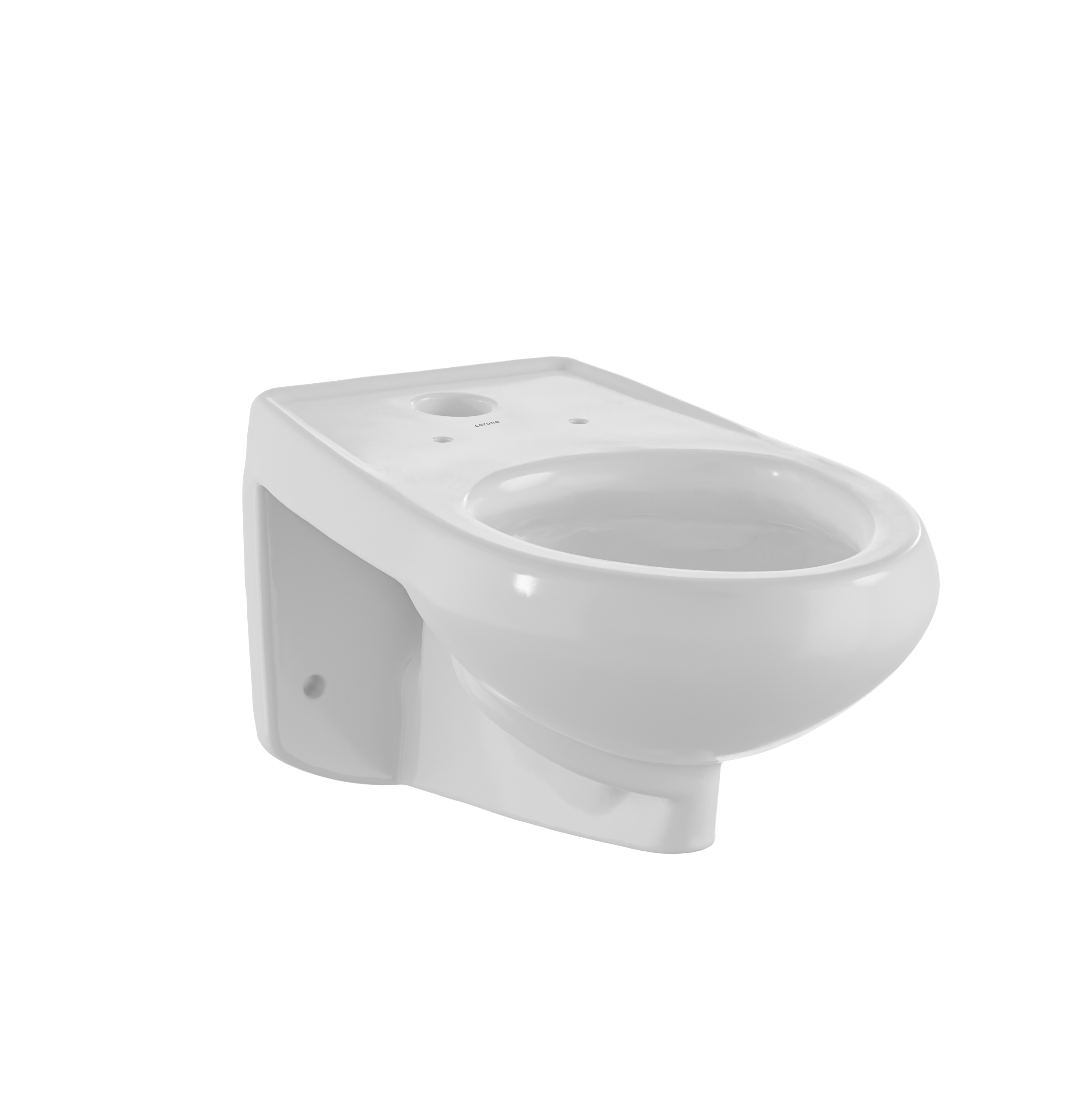
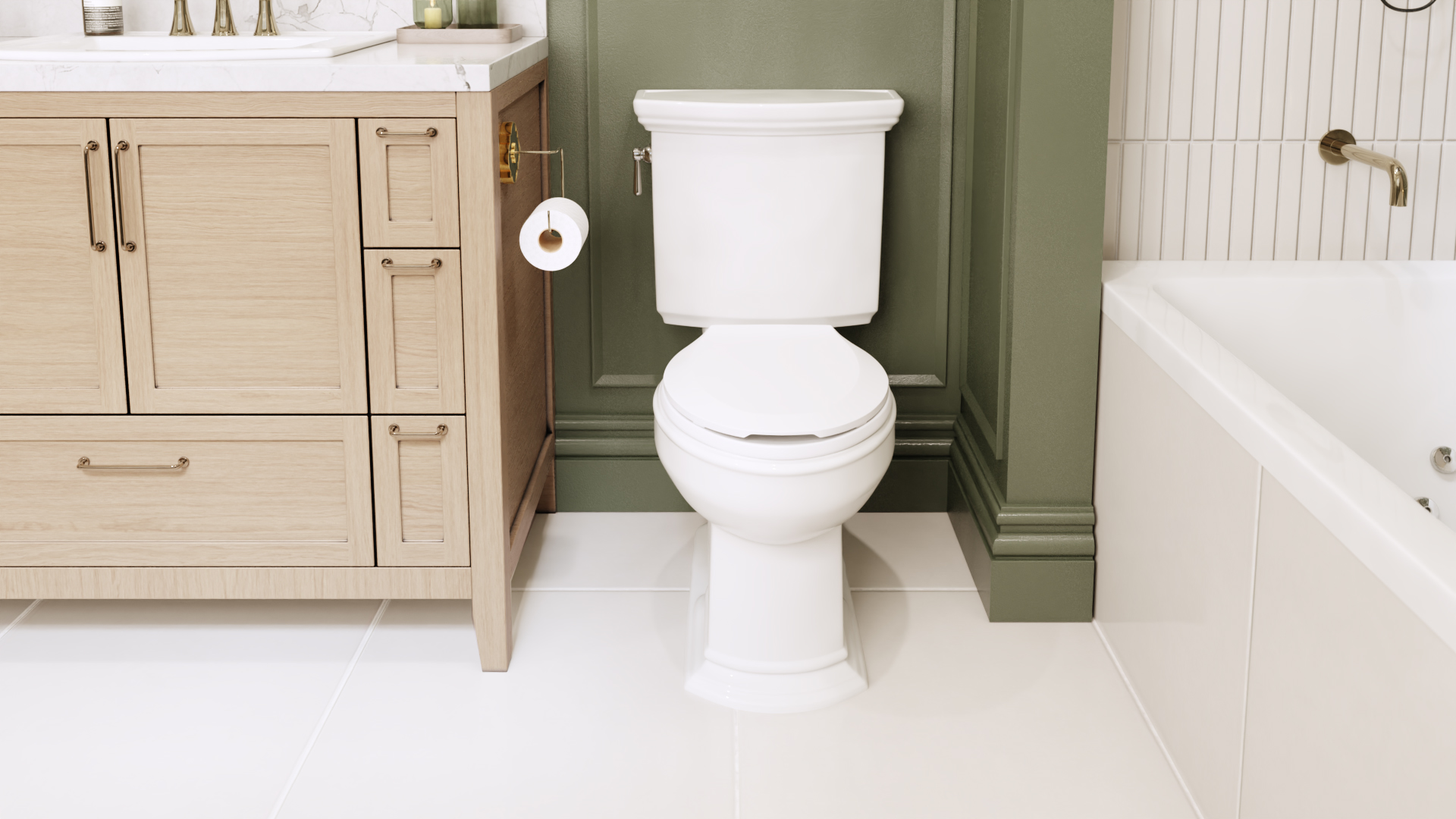
Commercial toilets are designed for high-use environments. Because they must withstand constant, high-traffic usage, their flushing systems are designed to deliver consistent performance without compromising efficiency. While tank-type models typically use 1.1 to 1.6 gallons per flush, most commercial toilets are tankless and operate with flushometer systems. Toilet tanks are generally specified for lower-traffic commercial areas, where usage demands are less intensive.
2. Flushometers in commercial toilets
Flushometer-style toilets are an alternative to traditional tank-based systems. Instead of relying on stored water, they connect directly to the building’s water supply. When flushed, these toilets release pressurized water, ensuring efficient and consistent waste removal with every use. This direct water delivery system is a key distinction between commercial and residential toilets, particularly in high-traffic applications.
3. High performance
Smart design and high-quality systems set commercial toilets apart from residential models. Most commercial toilets are engineered for high-efficiency water consumption, with flushometer systems typically operating between 1.1 and 1.6 gallons per flush (gpf). Beyond efficiency, commercial toilets must maintain reliable performance under continuous use, ensuring effective waste removal even in high-demand environments.
They must also comply with ADA (Americans with Disabilities Act) requirements, including smart-height specifications to ensure accessibility in public restrooms. In many cases, commercial toilets must also feature an elongated bowl, which enhances user comfort and aligns with institutional standards. Another critical feature is a rimless toilet bowl design, which eliminates areas where debris and bacteria can accumulate, supporting improved hygiene and easier maintenance. These features are not only design advantages, but essential requirements to meet the expectations of commercial facilities and regulatory standards.
Choosing the right commercial toilet is a critical decision for any project. From restaurants and offices to shopping malls and healthcare facilities, the demands of each environment vary widely. Traffic volume, water efficiency requirements, durability expectations, and hygiene standards must all be carefully considered to ensure long-term performance and customer satisfaction.
For over 95 years, Mansfield has developed a reputation as a favorite of industry professionals – trusted by plumbing contractors and developers across the U.S. It offers a complete portfolio of commercial toilets engineered to meet the highest standards of performance, efficiency, and reliability.
Designed for high-traffic restrooms and demanding commercial applications, Mansfield commercial toilets deliver powerful flushing systems, durable construction, ADA-compliant options, and advanced design features that support cleanliness and easy maintenance.
Find your closest distributor at www.mansfieldplumbing.com or get a quote for more information.